
Irrigation · November 2, 2026
Winterizing your sprinkler system in Colorado
A homeowner's checklist for the one chore that protects your pipes, valves and backflow preventer from a Front Range winter.
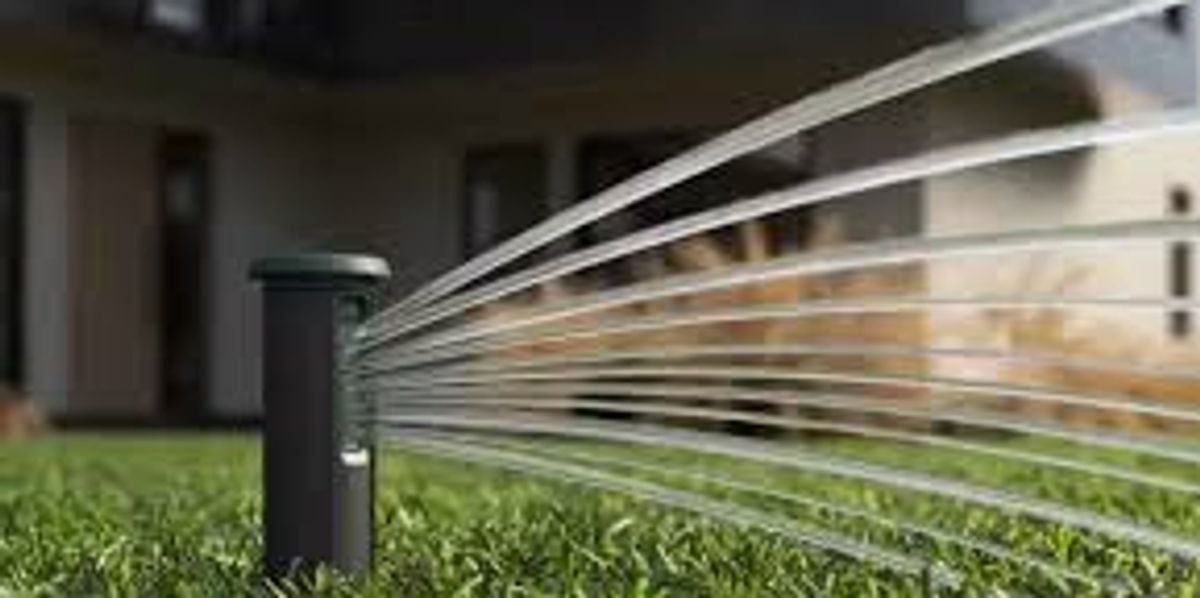
Every fall, the same expensive story repeats across the Denver metro: a homeowner means to get to the sprinklers, an early hard freeze arrives first, and spring opens with a cracked backflow preventer, split pipes, and a repair bill that dwarfs what winterization would have cost. Water left anywhere in the system expands as it freezes — and irrigation components, especially the backflow preventer sitting above ground, are the most vulnerable plumbing on your property.
When should you winterize on the Front Range?
The Denver metro typically sees its first freeze in October, and the hard freezes — the kind that stay below freezing long enough to damage pipes — can arrive any time from mid-October on. The safe window is mid-October through early November: late enough that your lawn got its fall watering, early enough that you're not gambling against the forecast. If a hard freeze is predicted and your system still has water in it, shut the water off and open the drains that night — a partial drain beats a frozen backflow.
What a proper winterization actually involves
- Shut off the water to the irrigation system at its dedicated shut-off valve, so no new water can enter the lines.
- Drain what gravity will give up — open manual drain valves and let low points empty.
- Blow out the lines, zone by zone, with compressed air at a safe pressure. This is the step that matters most: it's about air volume, not brute pressure. Too much pressure can damage heads, valves and fittings; too little leaves water pooled in low spots.
- Protect the backflow preventer — drain it, leave its test cocks at the recommended angle, and insulate it. This is the single most commonly freeze-killed component, and the most expensive to replace.
- Set the controller for winter — off or in standby/rain mode, so it doesn't try to run dry zones in January. (Leave the power on if your controller needs it to hold its programming.)
- Note the trouble spots — heads that didn't pop, zones that ran weak, soggy patches. Winter is when repairs are easiest to schedule.
A note for Irrigreen owners
Irrigreen systems need the same seasonal care — water in any line is water that can freeze. The good news: because your zones live as digital maps, spring reactivation is straightforward. Once the system is pressurized and checked, your mapped zones are exactly where you left them.
DIY or call a pro?
If you own a compressor with real volume (not a pancake compressor), understand your backflow preventer, and are methodical zone by zone, a careful homeowner can do this. Most people call us because the blowout is quick, the backflow gets handled correctly, and the visit doubles as a health check — we catch the cracked fitting and the tired valve in November, not during the first hot week of May when every irrigation crew in Englewood is booked solid.
Still running water? You're in the window, not past it. Request a quote or call 303-350-0992 and we'll get your system put to bed before the freeze does it for you.
Need a hand with winterization?
Roots handles spring activation, in-season service and fall blowouts for conventional and Irrigreen systems across Englewood and the Denver metro.